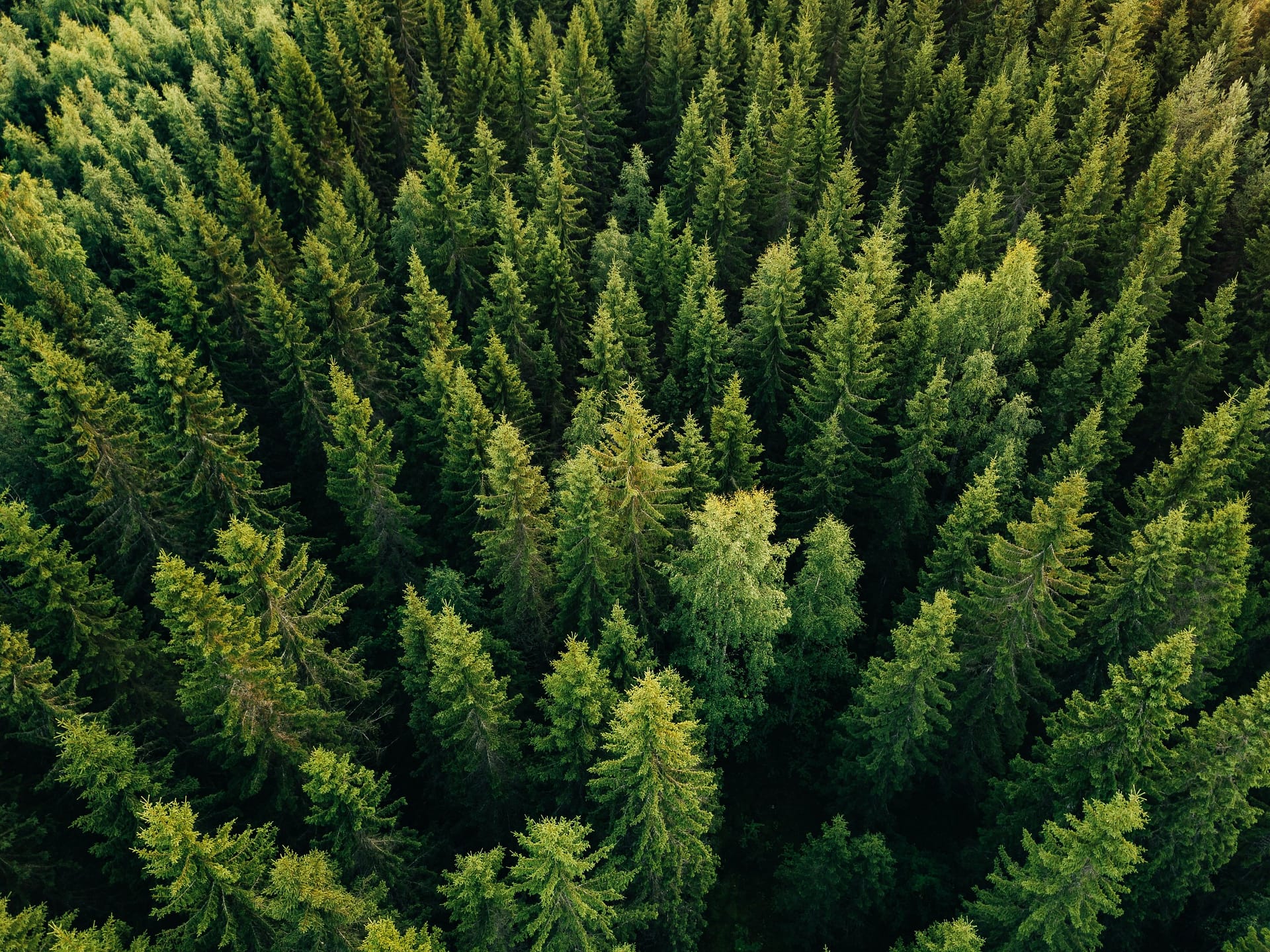
The forest industry operates at the core of the EU’s transition towards a circular economy. The entire industry is inherently circular, from circular raw material in the forest to recyclable materials and products produced through circular production processes. No raw material is wasted, and minimum amount of waste is produced. Most of the material is sourced from sustainably managed forests and it all storages bio-based carbon.
Forest industry value chains already demonstrate how materials can circulate through multiple life cycles while replacing fossil-based alternatives. Resource efficiency is further enhanced by the forest industry’s new product and process innovations and the extensive use of side streams. For example, nearly all Finnish production residues are turned into new products or energy, minimizing waste and maximizing value from each harvested tree.
To make EU’s circular economy true, Union should promote sustainable production and consumption based on renewable raw materials, creating market demand for renewable and secondary raw materials. Setting the focus on transitioning from a fossil-based economy to a circular bioeconomy enhances Europe's climate and economic resilience.